
Open any fitness Instagram account right now and youʼll be told that sunflower oil, canola oil, soybean oil, corn oil, any of the industrial seed oils, are poisoning you. Causing inflammation. Driving heart disease. Destroying your mitochondria.
Iʼve looked at the research. The panic doesnʼt match the evidence.
Seed oils are more or less neutral in the controlled studies. They donʼt raise LDL cholesterol. They donʼt worsen cardiovascular outcomes. The data is quite boring, with no dramatic harm and no dramatic benefit.
That said, I still tell my clients to avoid them where they can. Hereʼs the full picture.
WHAT THE RESEARCH ACTUALLY SHOWS
When you replace saturated fats in the diet with polyunsaturated seed oils, LDL cholesterol doesnʼt go up. In most long term randomised trials, overall cardiovascular outcomes are either neutral or marginally improved.
The key studies:
The Minnesota Coronary Experiment was 1 of the largest controlled trials on dietary fat replacement, and its published findings showed no reduction in cardiovascular mortality from replacing saturated fat with PUFA.
The Sydney Diet Heart Study found that replacing saturated fats with omega 6 linoleic acid (the main fatty acid in most seed oils) did not reduce mortality, and may have slightly increased it in some analyses.
Cochrane reviews on PUFA replacement, which are large meta analyses, show modest or no improvement in cardiovascular outcomes with seed oils replacing saturated fats.
The biomarker data is quiet. Not scary, not miraculous.
THE 2 LEGITIMATE CONCERNS
Where the hysteria has a kernel of truth is in 2 places the research hasnʼt fully answered.
First, extraction. Industrial seed oils are extracted with chemical solvents, most commonly hexane. The refining process also involves bleaching, deodorising and high temperature processing. Weʼre not sure exactly what long term effects this has on the finished oil, but anything this heavily processed carries risk we canʼt fully quantify. The precautionary principle applies.
Second, heat instability. Polyunsaturated fatty acids are chemically unstable when heated. If youʼre frying in seed oil at high heat, youʼre producing oxidised fats and aldehydes. Reused oil is dramatically worse, because what most takeaways and chip shops use is oil thatʼs been through dozens of heat cycles. Oxidised fats are harmful.
WHAT TO USE INSTEAD
The practical answer isnʼt panic. Itʼs choosing better alternatives where you can.
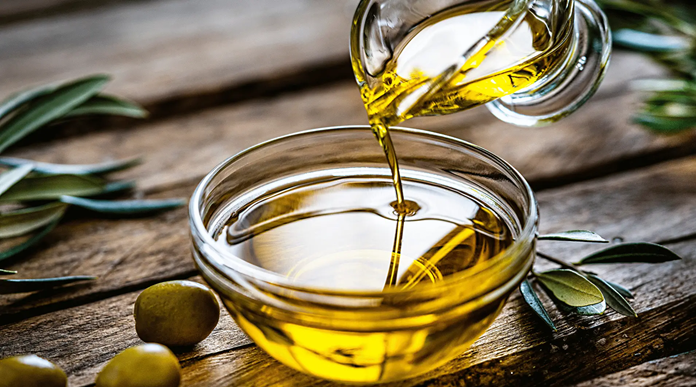
Extra virgin olive oil. Cold pressed. Relatively heat stable up to moderate cooking temperatures. The bonus is that EVOO contains a compound called oleocanthal, which a 2005 Nature paper showed inhibits COX enzymes the same way ibuprofen does. Youʼre dosing yourself with an anti inflammatory every time you use it.
Avocado oil. Higher smoke point than olive oil, cold pressed versions available, a cleaner extraction process. Beef tallow. For greasing the pan or shallow frying at higher heat, tallow is heat stable and nutrient dense.
A tablespoon for the pan is fine.
Butter. Yes, really. Recent meta analyses consistently fail to show butter raising LDL in meaningful ways. Grass fed where possible.
Any oil that is smoking in your pan is oxidising, regardless of what oil it is. If you need very high heat, youʼve probably picked the wrong cooking method.
THE SATURATED FAT SHIFT
While weʼre here, there is a broader point.
The evidence on saturated fats has shifted substantially in the last decade. Full fat dairy (butter, cheese, yogurt) consistently fails to raise LDL in meta analyses. Cheese in particular has been shown to be cardioprotective in several large cohort studies, despite its saturated fat content.
Why? The food matrix matters more than the fat profile on a lab sheet. The protein, calcium, vitamin K2 and probiotic content of dairy foods changes how the body processes the saturated fat. The reductionist “saturated fat = bad” model from the 1980s has not aged well.
THE BIGGER POINT
The evidence on seed oils doesnʼt support the panic. But it also doesnʼt support making them your daily default.
Choose better where you can. Olive oil, avocado oil, butter, tallow. Avoid reheated and takeaway seed oils. Donʼt lose sleep over the odd meal cooked in sunflower oil at a restaurant.
Be nuanced, read the evidence, and donʼt let a ring light and a protein powder deal decide what you cook with.
At BTX in Hampstead, we build personalised nutrition protocols from your blood work with Dr Matt Milner (A&E consultant), InBody 770 scans and clinical biomarkers, not from Instagram hysteria. Book a free strategy call at bodytransformationlondon.com.