
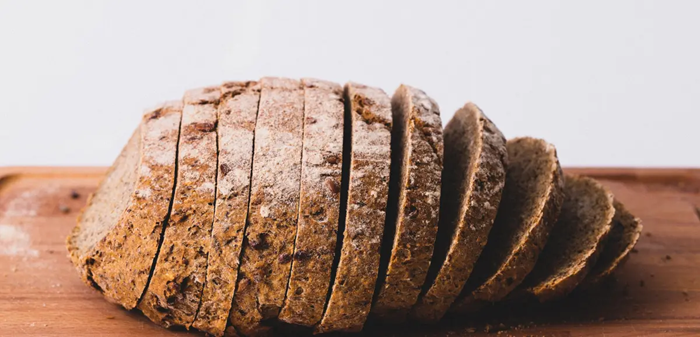
In 2024, the UK made it a legal requirement for non wholemeal flour to be fortified with folic acid. The reaction on fitness Instagram was predictable. Accusations of population poisoning. Panic about synthetic vitamins. Calls to switch to sourdough or stop eating bread entirely.
Iʼve looked at the evidence. The hysteria is wrong.
Folic acid fortification is 1 of the most effective public health interventions of the last 50 years. If you eat a good diet, itʼs not doing anything for you personally, but it isnʼt harming you either. And at the population level, it prevents hundreds of serious birth defects a year.
Hereʼs the full picture.
WHAT FOLIC ACID ACTUALLY IS
Folate is vitamin B9. Itʼs essential for DNA synthesis, cell division, and the formation of healthy red blood cells. You get it naturally from leafy green vegetables, legumes, liver, eggs, and nuts.
Folic acid is the synthetic, more stable form of folate used in supplements and in food fortification. Your liver converts it into the active form your body uses.
WHY FORTIFICATION EXISTS
The core clinical case for folic acid fortification is neural tube defect prevention.
Neural tube defects, most commonly spina bifida and anencephaly, are serious, often fatal congenital conditions that occur in the first weeks of pregnancy. The critical window for neural tube development closes by around day 28 of gestation. Thatʼs before most women even know theyʼre pregnant.
The research on folic acid preventing these defects is overwhelming. The 1991 MRC Vitamin Study, a randomised controlled trial, showed a 72 percent reduction in recurrence of neural tube defects with folic acid supplementation. Dozens of trials since have confirmed and extended the finding.
Hereʼs the problem with the supplement only approach. Women who take folic acid before and during pregnancy clearly benefit. But the women most at risk of having a baby with a neural tube defect are often the ones who werenʼt planning the pregnancy, who have poor nutrition, or who are teenagers. They arenʼt taking the supplement.
Food fortification catches everyone.
Countries that mandated it years ago (the US and Canada in 1998, Australia in 2009, dozens of others since) saw neural tube defect rates fall by 20 to 50 percent within a decade. The UKʼs 2024 mandate is a long overdue adoption of a settled public health intervention.
WHAT THE INSTAGRAM CONCERNS ACTUALLY ARE
3 arguments come up repeatedly in the online pushback.
First, unmetabolised folic acid in the blood. The concern is that excess synthetic folic acid can circulate in the bloodstream in its unprocessed form. The studies on what this actually does are mixed and weak. Most major health bodies have reviewed it and concluded the clinical significance is negligible at the fortification doses used.
Second, theoretical cancer risk. Some observational data has suggested a potential link between high folic acid intake and certain cancers, particularly colorectal. The evidence is contested and, where studies exist, the effect sizes are small and the methodology often poor. Across the systematic reviews, the consensus is that at fortification levels, there is no clear increase in cancer risk.
Third, synthetic versus natural. Natural folate from food is the ideal source. Folic acid is the synthetic version. The body converts folic acid into the active form efficiently in the vast majority of people. A small subset of the population carries a gene variant, MTHFR, that reduces conversion efficiency. For that subset, methylated folate supplementation can be preferable. But the standard folic acid in fortified bread is not a problem for the vast majority.
Across every major health body that has reviewed the evidence (WHO, the FDA, Public Health England, the EFSA), the benefit of fortification outweighs the theoretical risk by a wide margin.
WHAT THIS MEANS FOR YOU
If you eat a diet with plenty of leafy greens, legumes, lentils, chickpeas and liver, youʼre getting adequate folate from food. The folic acid in your bread isnʼt doing anything for you personally.
But it also isnʼt harming you.
If youʼre of reproductive age and planning or might become pregnant, take an active folate supplement (methylfolate) in addition to eating properly. Donʼt rely on the bread fortification alone, as the levels are set for population deficiency prevention, not individual optimisation.
If you have the MTHFR variant (we can test for this clinically if relevant), use methylfolate rather than folic acid.
For everyone else, this is a settled issue. The hysteria is manufactured. The fortification is sensible public health. Move on.
THE BIGGER POINT
The fitness internet makes money from fear. Fear sells supplements. Fear sells detoxes. Fear sells online courses on how to avoid the thing they just made you scared of.
The evidence on folic acid in bread doesnʼt support the fear. Itʼs a public health intervention preventing real birth defects, with no meaningful downside for the rest of us.
Be nuanced. Be evidence based. Donʼt let someone with a ring light and a protein powder deal tell you what to be afraid of.
At BTX in Hampstead, we build personalised nutrition and supplementation protocols from your actual blood work with Dr Matt Milner (A&E consultant), InBody 770 scans and clinical biomarkers, not from Instagram hysteria. Book a free strategy call at bodytransformationlondon.com.