
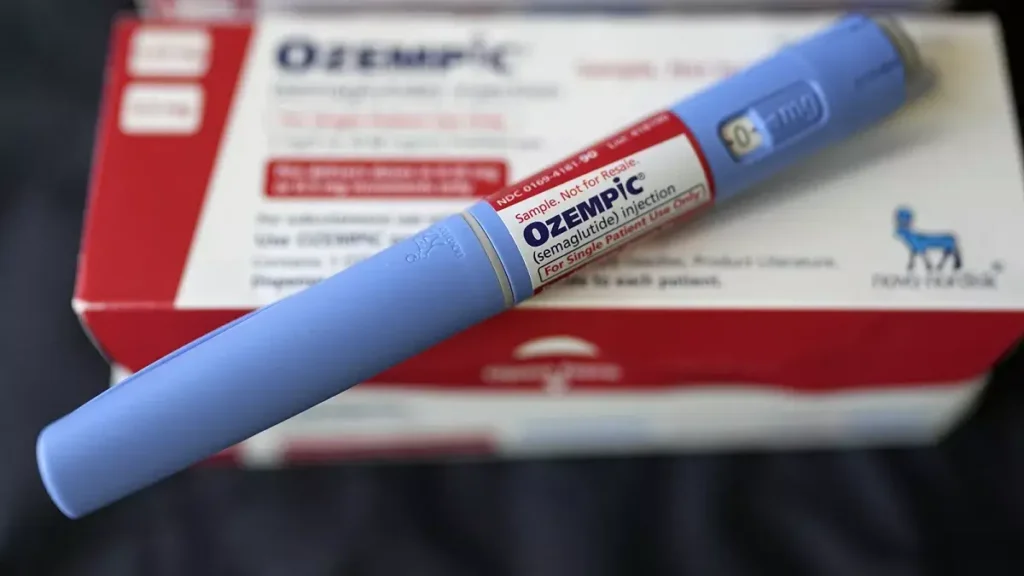
Data submitted to the UK drugs regulator show a total of 82 deaths related to glucagon-like peptide-1 receptor agonists, the class of drugs used for weight loss and type 2 diabetes. https://www.bmj.com/content/388/bmj.r390
This is frightening as huge quantities of people are taking them. A staggering 12% of the UK has taken a GLP-1 Agonist.
Is this something we should be worried about?
Is Ozempic and other GLP-1 Agonists dangerous?
523,000 people have taken them in total, so the estimated mortality rate is only 0.016%.
What should we take from this data?
Type 2 diabetes and obesity causes 2.3 million deaths per year worldwide and obesity kills 2.8 million people per year.
That’s a lot of people.
GLP-1 Agonists drastically reduce rates of obesity and Type 2 diabetes by reducing people’s appetite and therefore reducing their weight and blood sugar.
GLP-1 Agonists will therefore have a drastic effect on the number of people dying worldwide from Obesity and Type 2 diabetes.
You’re now shouting but James it’s so expensive only rich people can afford it.
Here’s the thing the more people that use it the cheaper it will become.
I can tell you one thing being obese will a 100 percent do more harm to your health than taking Ozempic.
Just be aware it’s not side effect free!
What the Ozempic Data Means — and What to Do Instead
The GLP-1 drug class — semaglutide (Ozempic, Wegovy), liraglutide, and others — represents a genuine pharmacological advance in obesity medicine. The appetite suppression these drugs provide is real and clinically meaningful. But the data submitted to UK regulators reflect a consistent problem: these drugs are being prescribed without adequate nutritional support and supervision, and people are losing muscle mass alongside fat, experiencing severe gastrointestinal events, and in some cases dying from complications that should have been anticipated and prevented.
At BTX, we take a clear position: GLP-1 drugs, when used appropriately and with proper medical oversight, can be a useful adjunct to a structured body transformation programme — particularly for individuals with significant metabolic disease. But they are not a replacement for proper nutrition coaching and resistance training. The muscle mass lost during rapid weight loss on GLP-1 drugs is a serious long-term health risk, increasing the likelihood of regaining fat weight, reducing metabolic rate, and accelerating sarcopenia in older clients.
How BTX Works with GLP-1 Drug Users
A growing number of our North London clients are taking Ozempic, Wegovy, or similar medications. For these clients, BTX provides the structured resistance training and protein-focused nutrition coaching that preserves and builds lean mass during weight loss — protecting against the muscle loss that makes GLP-1-driven weight loss so often unsustainable long-term. We work in coordination with prescribing clinicians and use InBody 770 scanning to monitor body composition changes precisely throughout.
If you are currently taking or considering a GLP-1 medication for weight loss, and you’re based in North London, BTX can provide the structured resistance training and nutrition support needed to maximise the long-term benefits of that medication while protecting your lean mass and metabolic health.