
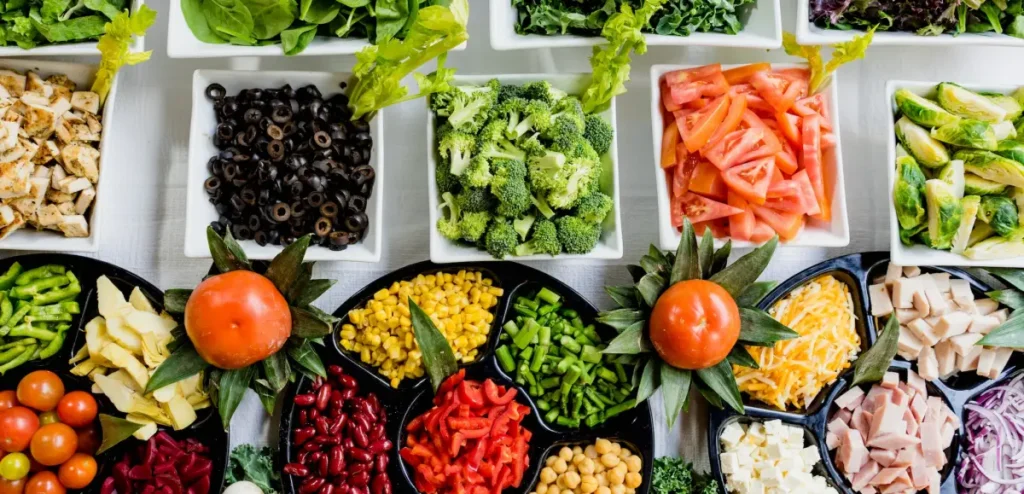
The single most impactful change you can make to your long term health is one most GPs will never mention: eat 30 different plant foods a week.
That number comes from the American Gut Project, the largest open source microbiome study ever run. McDonald and colleagues, published in mSystems in 2018, found that participants eating 30 or more different plant foods a week had significantly more diverse gut microbiomes than those eating 10 or fewer, and the diversity curve kept climbing all the way to 30 before flattening. Diversity matters more than quantity. Someone eating broccoli every day for a month has far less microbiome diversity than someone rotating 20 different vegetables.
I’ve run this protocol with my personal training clients at BTX for years, and I run it personally. It doesn’t cut anything out and it doesn’t cost much; it just takes a bit of thinking in the first few weeks until it becomes automatic.
What Counts as a Plant Food
Everything. Nuts, seeds, legumes, pulses, grains, herbs, spices, fruit, vegetables, mushrooms (technically fungi, but they count for microbiome purposes), olives, cocoa. A tablespoon of mixed seeds on your porridge is 5 plants at once. A pinch of thyme, rosemary, and oregano on roasted vegetables adds 3 more. A proper salad with leaves, cherry tomatoes, cucumber, red onion, pumpkin seeds, and a dressing with lemon and black pepper gets you to 7.
The trick is to count. Most people are shocked when they first tally, because they’re nowhere near 30. Some are at 8.
A Realistic Week to Hit 30
Breakfast rotation: oats (1), berries (2, raspberry and blueberry), chia (3), flax (4), walnuts (5), cinnamon (6). That’s 6 plants in a single breakfast, 3 times a week.
Lunch: a proper mixed salad or a vegetable heavy sandwich. Rotate leaves (spinach, rocket and watercress, 7, 8 and 9), add avocado (10), tomato (11), cucumber (12), red onion (13), pumpkin seeds (14).
Dinner: build around a vegetable base, not a meat base. Roasted broccoli (15), carrots (16), red pepper (17), red cabbage (18), with garlic (19), ginger (20), turmeric (21), black pepper (22), olive oil, and a protein source.
Snacks across the week: dark chocolate 85% (23), a handful of almonds (24), apple (25), pear (26), hummus with chickpeas (27) and tahini (sesame, 28).
Weekend variety: a different grain such as quinoa (29), and some mushrooms (30). That’s 30 for the week, and none of it is diet food.
Fermented Foods, the Second Lever
Diversity feeds the microbiome; fermented foods actively seed it. The research on live culture fermented foods is strong. A 2021 Stanford study (Wastyk et al., Cell) found that participants eating 6 servings of fermented food a day for 10 weeks had meaningfully reduced inflammatory markers and increased microbial diversity.
The practical options: kefir (I use Chuckling Goat, from a UK farm, available online); kimchi, added to eggs, rice or salads; sauerkraut, a tablespoon with dinner; and yogurt, but it needs to be live culture, not the pasteurised supermarket versions that have no live bacteria left.
The best fermented food I use personally is L. reuteri yogurt, and I mean proper home fermented L. reuteri yogurt, not supermarket yogurt. You need a Luvele yogurt maker, a litre of full fat Estate Dairy milk, 50ml of double cream from Abel & Cole, and MyReuteri capsules to seed it. Set it for 36 hours at 37°C. You get a thick, custard like yogurt packed with up to 100 times more L. reuteri than off the shelf probiotics. It’s made a big difference to sleep, inflammation, and gut comfort, and it’s cheaper than any probiotic supplement I’ve ever reviewed.
The Things That Work Against You
Antibiotics. Necessary when needed, catastrophic when overused. A single course of broad spectrum antibiotics can reduce gut microbiome diversity by up to 30% and the recovery takes 6 to 12 months, sometimes longer. Only take them when they’re clinically indicated. If your GP is reaching for them for a viral infection, push back.
Ultra processed food. The emulsifiers (polysorbate 80, carboxymethylcellulose) and the artificial sweeteners (sucralose, aspartame) have both been shown in human and animal studies to directly damage the gut lining and reduce microbial diversity. You don’t need to be ascetic, but if more than 20% of your diet is ultra processed, you’re actively fighting your microbiome.
Antibacterial mouthwash. I covered this in the bowel cancer piece: it’s effectively oral antibiotics every morning, and the oral microbiome talks to the gut microbiome.
My Daily Routine
I’ll keep this short because it’s meant to be achievable rather than aspirational.
Morning: L. reuteri yogurt with berries, mixed seeds, cocoa nibs, and a scoop of collagen. 10 plants before 9am.
Lunch: whatever’s prepped, usually a large salad with 6 to 8 plants and a protein source. Dinner: vegetable first plate with 5 to 7 plants.
Snacks: nuts, dark chocolate, occasionally fruit.
I don’t track every bite. I just know roughly where I am for the week. At BTX we run personalised gut and metabolic protocols with microbiome testing, blood work with Dr Matt Milner (A&E consultant), and nutrition built around your biology. Book at bodytransformationlondon.com, or DM “STRONG” on Instagram @jamescooperbtx. Outside London? We run the same protocol through our online coaching.